
 If you or someone you care about needs help with substance use disorder, it is essential to choose a treatment program. This program should meet your specific needs and support your recovery journey. This article will help you find the best partial hospitalization program (PHP) in Hazlet, New Jersey. You will discover:
- What you can expect in a partial hospitalization program (PHP)
- The numerous benefits of PHPs
- How to find a PHP that fits your needs near Hazlet
- What you should consider when researching different PHP programs
- Understanding insurance coverage and payment options
What is a Partial Hospitalization Program?
A partial hospitalization program, or PHP, is an intensive substance use and mental health treatment option. It offers care to patients in a hospital during the day. Patients can return home at night.
This structured program includes various activities, such as individual therapy sessions and skill development workshops. Essentially, PHP functions as an outpatient treatment program.
This type of treatment includes a full-day program. It lasts five hours each day, five days a week. The length of treatment can vary. It usually lasts at least a week, but is often longer depending on your needs.
The Benefits of Partial Hospitalization Programs
PHPs provide more flexibility. They are a great choice for people who need more care but still want to manage home and work responsibilities. Some of the benefits of PHPs include:
- The ability for patients to incorporate therapy into their everyday routines.
- Concentrated care that targets serious mental health challenges.
- An encouraging atmosphere that promotes community and peer engagement.
- Availability of different therapeutic approaches, improving the overall quality of care.
Is a PHP Right for Me?
A partial hospitalization program is a great choice compared to an inpatient program. It is more intensive than regular outpatient care. You can go home each day after treatment, but PHP requires a structured daily schedule.
So, is a PHP necessary for your needs? The straightforward answer is that it varies. It is not a treatment that is automatically suggested. The decision relies on the assessment by a board-certified psychiatrist.
You can join a PHP if you do not need inpatient treatment. You should also not be a danger to yourself or others. This means you are not having suicidal thoughts. Additionally, you should not be at a high risk of relapse related to substance use.
Factors to Consider When Searching for the Best PHP Near You
Choosing a partial hospitalization program (PHP) in New Jersey involves looking at several key factors. This helps ensure you get effective and personalized treatment that fits your specific needs. Here are some crucial elements to think about:
Insurance Coverage and Cost of Treatment
While PHP tends to be more affordable than inpatient treatment, it can still incur significant costs. Nonetheless, partial care programs are often covered by your insurance. It is important to check if the PHP you choose accepts your insurance plan.
You should also understand which services are included. These may include therapy sessions, medications, and different treatment options.
It is wise to confirm co-payments, deductibles, and any extra costs that insurance does not cover. You should also find out if the PHP provides financial aid or payment options if necessary.
Location and Schedule
Check the daily schedule and how often treatment sessions happen in the PHP. Make sure it works with your availability, daily routine, and other commitments outside of treatment. A PHP that offers flexible scheduling can meet various needs. This is helpful for managing work duties, family responsibilities, or personal commitments.
Similarly, think about the PHP’s proximity to your home or workplace. A location that is easy to reach can reduce stress and problems with traffic and transportation. This makes it easier to attend sessions regularly. A shorter travel time saves you time and helps you attend therapy regularly. This is important for making progress and reaching treatment goals during recovery.
Specialties and Your Specific Needs
It is important to check the PHP’s knowledge and experience with your specific condition or substance use disorder. Different PHPs may focus on different areas and use unique methods for specific issues or dependencies.
For example, some PHPs focus on treating both mental health disorders and substance use problems together. Other programs emphasize trauma-informed care. They recognize that past traumas can affect current behaviors and mental health.
If you have specific needs, it is important to find a PHP that can help you. This is especially true if you have a history of trauma or a dual diagnosis. Look for a program that understands and specializes in these areas.
Such programs often use proven methods along with personalized treatment plans. This approach offers full support for both substance use disorder and any mental health problems. It addresses all aspects of your situation.
The PHP Includes all Necessary Components
- Medication Management: Managing medications is an essential aspect of proper care for individuals requiring drug treatment. This includes the correct use of prescribed medications to ensure effectiveness.
- Individual Therapy: A significant component of PHP is personal therapy, which offers individualized attention and care specifically designed for each person. This personal engagement can assist in recognizing and addressing personal challenges, aiming for individual development and improvement.
- Family Therapy: In family therapy, the patient’s family members participate in their treatment plan. This involvement helps the family stay informed and united. It also supports the treatment journey, improving family relationships and aiding the patient’s recovery.
- Group Therapy: A group offers valuable peer support and an opportunity to learn from others. This aspect can help create a genuine sense of community through the sharing of personal experiences.
- Holistic Treatments: Many holistic approaches, like yoga, art therapy, somatic therapy, and mindfulness techniques, are used in PHPs. These methods help improve the traditional recovery process. These therapies recognize the connection between the mind and body, ensuring a comprehensive focus on the individual.
Seek Out Guidance From a Professional
When you want to find the best mental health treatment for yourself, talking to a qualified professional can help a lot. Consult with a mental health expert about your choices to select the Partial Hospitalization Program that suits you best. At Blue Star Recovery, we are dedicated to offering guidance and support throughout your journey. Learn more about the Blue Star Recovery partial hospitalization program in Hazlet, NJ.
Check for Accreditations and Evidence-Based Practices
Above all, ensure that your PHP provider holds a valid license or accreditation. Seek out endorsements from reputable organizations that can confirm the program adheres to specific standards of care and safety.
You can evaluate the quality of a program by considering the qualifications and experience of its staff. Check the staffing at the Partial Hospitalization Program. Look for programs that have licensed therapists, psychiatrists, or other mental health and medical professionals. These professionals should have special training and experience in PHPs.
Furthermore, it is important to carefully examine the treatment strategies and techniques utilized by the program. Effective Partial Hospitalization Programs often use evidence-based practices. These include cognitive-behavioral therapy (CBT), dialectical behavior therapy (DBT), and other types of psychotherapy. These methods have been shown to help individuals recover successfully.
Learn More About the Partial Hospitalization Program at Blue Star Recovery in Hazlet, NJ
Locating a Partial Hospitalization Program that suits your needs is crucial for your mental health journey. Our PHP program in Hazlet, New Jersey is designed to meet different needs. We provide caring and complete support to help you recover fully. We look at each person as a whole.
We evaluate all parts of their situation. This helps us provide the best treatment and care for their mental health recovery. This holistic approach is essential in helping you regain control of your life.
Reach out to one of our specialists today to learn more about our comprehensive Partial Hospitalization Program today.
References:
- National Library of Medicine: Providing Crisis-Oriented and Recovery-Based Treatment in Partial Hospitalization Programs
- Centers for Medicare and Medicaid Services: Psychiatric Partial Hospitalization Programs
 Substance use disorder (SUD) can affect every part of a person’s life. The effects of substance use and dependence can harm a person’s physical health, emotional well-being, relationships, and more. Prolonged substance use can change how a person’s body and brain work, making it very challenging to stop using addictive substances like drugs or alcohol.
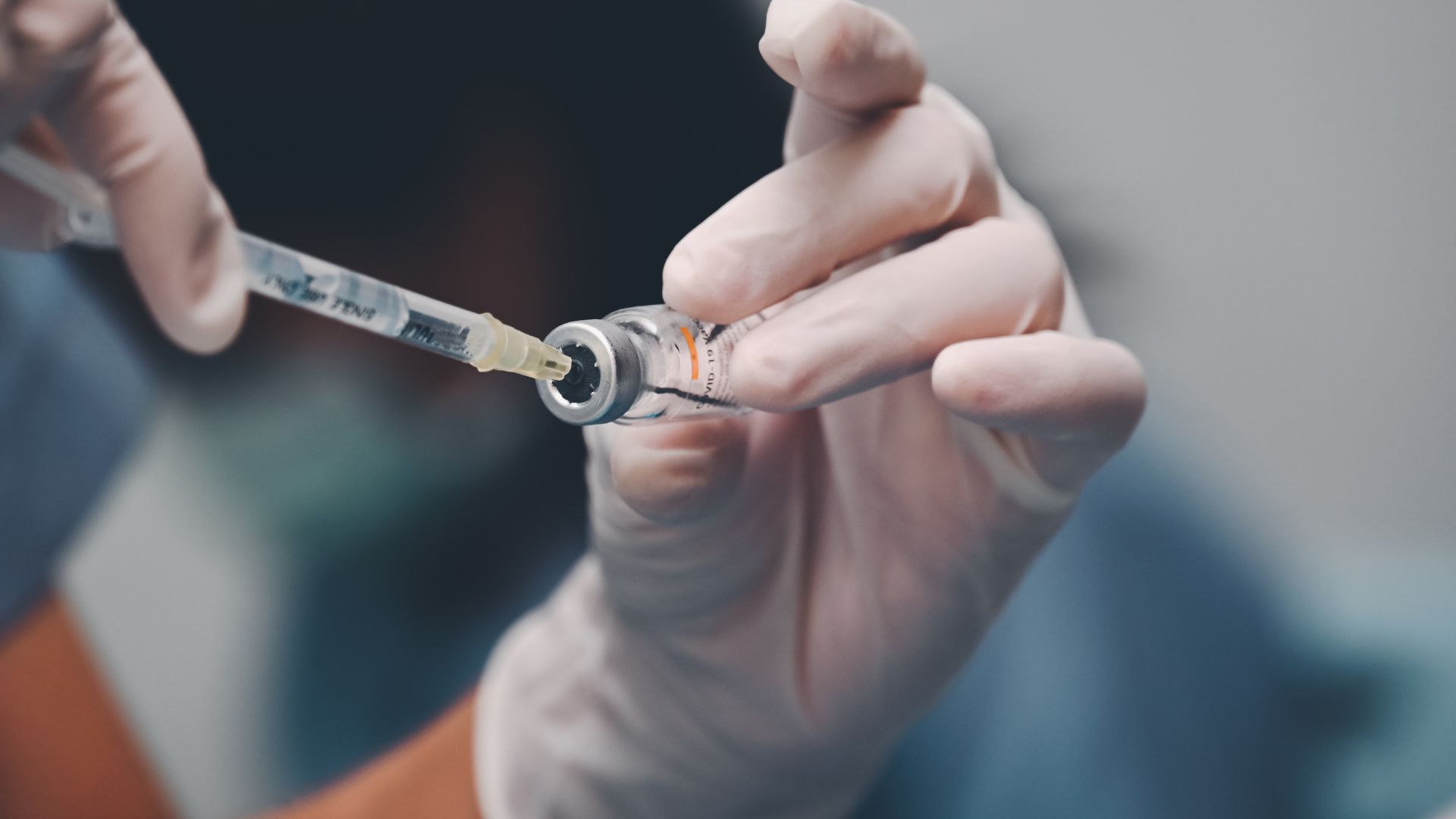 Opioid use disorder is a complex condition that requires comprehensive treatment and support. People with opioid use disorder can face severe, long-term health complications, including physical dependence.
 Recovering from a substance use disorder (SUD) or
  Substance use disorder (SUD) is a chronic and progressive disease that requires extensive treatment and a personal dedication to bettering oneself. There are many different types of addiction treatment programs to choose from.
 Understanding whether insurance covers therapy is a crucial first step for anyone seeking addiction treatment, especially because cost can make some people hesitant to seek care. Treatment is an important part of recovery. However, the cost of treatment can be a big barrier for many people.
 Outpatient therapy helps people recover from addiction. It provides a flexible and supportive place for healing.
 Treatment and recovery for addiction can take many forms. Options range from family therapy and intensive outpatient programs to residential treatment and support groups.
 An Intensive Outpatient Program (IOP) is for individuals seeking recovery from addiction, mental health conditions, or co-occurring disorders while living at home. This flexibility is great for people who need a lot of support. It helps them balance work and family life.
 Substance use disorder (SUD) is a complex condition that impacts every aspect of a person’s life. People must receive comprehensive treatment to address the underlying roots of their substance abuse. Comprehensive treatment means learning about addiction, receiving medical support, and developing skills to avoid addictive behaviors.