
- ABOUT
- TREATMENTS
- PROGRAMS
- THERAPY
- Resources
- Blog
Many adults use cannabis occasionally without developing long-term problems. For others, regular marijuana use gradually can become difficult to control and begin affecting work, relationships, mental health, or daily responsibilities.
The shift isn’t always obvious, which it’s important to recognize when occasional use may be developing into Cannabis Use Disorder (CUD).
Healthcare professionals use this term to describe a pattern of cannabis use that continues despite negative consequences. If you’re exploring options for substance use treatment, understanding these early warning signs can help you decide when it’s time to seek professional help.
Casual Cannabis Use vs. Cannabis Dependence
Occasional cannabis use doesn’t automatically lead to dependence. Many people use marijuana infrequently without experiencing significant problems. Casual users can usually choose when to sue, skip it without difficulty, and continue meeting their personal and professional responsibilities.
Cannabis dependence develops differently. Instead of feeling like a choice, marijuana use begins to feel necessary. Someone may continue using even after recognizing that it’s affecting motivation, finances, relationships, or mental health. The following table compares casual use and dependence:
| Casual Cannabis Use | Cannabis Dependence (Cannabis Use Disorder) |
| Used occasionally | Used frequently or daily |
| Easy to stop or skip | Difficult to cut back or quit |
| Doesn’t interfere with daily life | Affects work, school, or relationships |
| Little or no cravings | Cravings between uses |
| No withdrawal symptoms | Withdrawal symptoms after stopping |
The amount someone uses doesn’t tell the whole story. The more important question is whether they can control their use and whether it has started interfering with everyday life. Even occasional use carries risks, especially when cannabis is combined with alcohol.
How Cannabis Dependence Develops
Cannabis dependence typically develops gradually rather than all at once. Someone who once used marijuana socially may begin using several times a week before eventually relying on it every day.
As regular use continues, the brain adapts to THC, the active compound in cannabis. This often leads to tolerance, meaning the same amount of cannabis produces weaker effects over time. People may begin using larger amounts or stronger products to achieve the same experience.
Another common change involves why someone uses cannabis. Recreational use may shift toward using marijuana to manage stress, anxiety, boredom, or difficult emotions. While cannabis may provide temporary relief, relying on it as a primary coping strategy increases the risk of dependence.
Signs Cannabis Use Is Becoming a Problem
Several changes can suggest cannabis use is becoming more than an occasional habit.
You Need More Cannabis to Feel the Same Effects
As tolerance develops, you may notice that products or doses that once worked well no longer produce the same effect. This often leads to more frequent use or choosing products with higher THC concentrations.
You Have Trouble Cutting Back
Many people with Cannabis Use Disorder want to reduce their marijuana use but struggle to follow through. You might promise yourself you’ll only use it on weekends but find yourself using every day instead.
You Use Cannabis to Cope with Stress
If marijuana becomes your primary way to relax, manage anxiety, or avoid uncomfortable emotions, it may be replacing healthier coping skills. Working with a therapist through individual therapy can help identify those underlying challenges and build more effective strategies.
You Experience Withdrawal Symptoms
Withdrawal is a common sign of dependence. Symptoms often begin within one to three days after stopping cannabis and typically improve within one to two weeks.
Common cannabis withdrawal symptoms include:
- Irritability
- Anxiety
- Insomnia
- Decreased appetite
- Restlessness
- Headaches
- Cravings
Withdrawal from cannabis is generally not life-threatening, but it can be uncomfortable enough to make quitting difficult without proper support.
How Cannabis Dependence Can Affect Daily Life
Cannabis dependence often becomes noticeable through changes in everyday functioning rather than dramatic events.
Many people find it harder to stay organized, complete responsibilities, or remain motivated at work or school. Heavy, long-term cannabis use has also been associated with reduced motivation, lower productivity, and difficulty following through on personal goals in some individuals.
Memory and concentration may also suffer, making it harder to learn new information or stay focused throughout the day. These changes can gradually affect academic performance, career advancement, finances, and overall quality of life.
How Cannabis Use Can Affect Mental Health
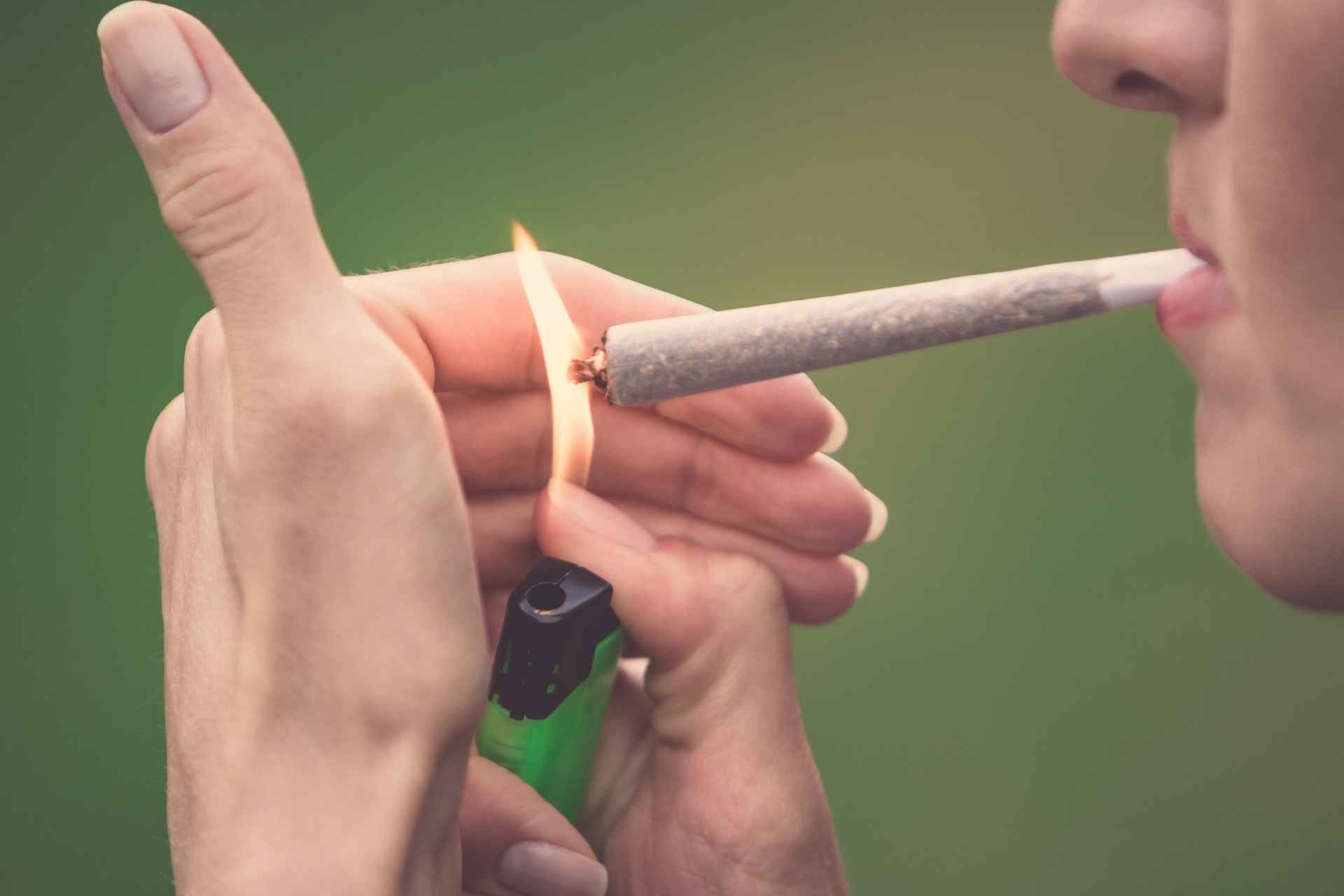
Cannabis affects everyone differently, but regular use has been linked to an increased risk of certain mental health challenges, particularly in people with underlying risk factors or existing mental health conditions. While marijuana doesn’t directly cause every mental health disorder, frequent use can worsen symptoms or make recovery more difficult for some individuals.
Anxiety and Mood Changes
Some people initially use cannabis to relieve stress or anxiety, but regular use can have the opposite effect over time. You may notice increased anxiety, irritability, or mood swings, especially between periods of use. This can create a cycle where you continue using cannabis to temporarily relieve symptoms that return when its effects wear off.
Sleep Problems
Cannabis may help some people fall asleep, but long-term use can affect normal sleep patterns. As dependence develops, you may find it difficult to fall asleep without using marijuana, and stopping can temporarily lead to insomnia or vivid dreams. Addressing the underlying reasons for poor sleep is often more effective than relying on cannabis as a long-term solution.
When Should You Seek Professional Help?
It may be time to seek evaluation if cannabis use:
- Interferes with work, school, or family responsibilities
- Causes conflict in your relationships
- Makes it difficult to reduce or stop despite repeated attempts
- Leads to withdrawal symptoms when you don’t use
- Becomes your primary way of coping with stress, anxiety, or other emotions
An assessment can help determine whether occasional support, therapy, or a more structured level of care is the best fit. If cannabis use is connected to anxiety, depression, or another mental health condition, treating both concerns together often leads to better long-term outcomes. Blue Star’s dual diagnosis treatment programs address co-occurring conditions alongside substance use concerns.
Treatment Options for Cannabis Dependence
Cannabis Use Disorder is treatable, and recovery doesn’t always require residential care. The right treatment depends on how cannabis use is affecting your daily life and whether other mental health concerns are present.
- Individual therapy helps you understand the thoughts, emotions, and situations that contribute to marijuana use while developing healthier coping strategies.
- Cognitive Behavioral Therapy (CBT) teaches practical skills for identifying triggers, managing cravings, and changing behaviors that reinforce cannabis use. CBT is one of the most well-supported approaches for treating Cannabis Use Disorder.
- Motivational Enhancement Therapy helps strengthen your own reasons for making a change and builds confidence throughout the recovery process.
For people who need additional support while continuing to live at home, an outpatient treatment program provides regular therapy, education, and accountability. If cannabis use has begun affecting multiple areas of your life or is occurring alongside other substance use, a comprehensive substance use treatment program may offer the support needed to build lasting recovery.
Find Support for Cannabis Dependence at Blue Star Recovery Center
If marijuana use is beginning to affect your motivation, relationships, mental health, or daily responsibilities, seeking help early can make recovery more manageable. Treatment can help you understand what’s driving your cannabis use, develop healthier coping skills, and regain confidence without relying on marijuana.
The team at Blue Star Recovery Center provides individualized treatment for Cannabis Use Disorder and co-occurring mental health conditions. Whether you’re exploring your options for the first time or have tried to quit before, contact us today to take the next step.
Frequently Asked Questions
Can you become addicted to marijuana?
Severe cases of problematic marijuana use, classified as Cannabis Use Disorder (CUD), are considered addiction. The condition ranges from mild to severe and can include cravings, difficulty cutting back, and continued use despite negative consequences.
How long does cannabis withdrawal last?
Withdrawal symptoms usually begin within 24 to 72 hours after stopping cannabis, peak during the first week, and improve within one to two weeks. Some people experience lingering sleep changes or cravings for longer periods.
Can you quit marijuana without rehab?
Many people can reduce or stop cannabis use on their own, but professional treatment may be beneficial if you’ve tried to quit multiple times, experience withdrawal symptoms, or use marijuana to cope with anxiety, depression, or stress.
Sources:
- Cannabis (Marijuana) — National Institute on Drug Abuse (NIDA)
- About Cannabis — Centers for Disease Control and Prevention (CDC)
- Information about substance use disorders and DSM-5 diagnostic criteria — American Psychiatric Association (APA)

Recover With Blue Star Recovery
Discover Our Treatment Programs
Partial Hospitalization Program Intensive Outpatient Program Outpatient Program Adolescent IOP Adolescent Outpatient