
- ABOUT
- TREATMENTS
- PROGRAMS
- THERAPY
- Resources
- Blog
Fentanyl addiction can develop quickly and may cause noticeable physical, behavioral, and emotional changes. Because illegally manufactured fentanyl is also commonly mixed into counterfeit pills and other drugs, a person may be exposed without realizing it. Recognizing the warning signs, understanding the risks, and knowing how to respond to a possible overdose can help families seek assistance sooner.
How Can Fentanyl Addiction Develop?
Fentanyl is a synthetic opioid that may be prescribed medically for severe pain but is also manufactured and distributed illegally. Illicit fentanyl is sometimes added to heroin, cocaine, counterfeit pills, and other substances without the person’s knowledge.
Repeated fentanyl use can lead to tolerance, physical dependence, and opioid use disorder. Because fentanyl is highly potent, these changes may develop quickly and substantially increase the risk of an accidental overdose.
Signs and Symptoms of Fentanyl Addiction
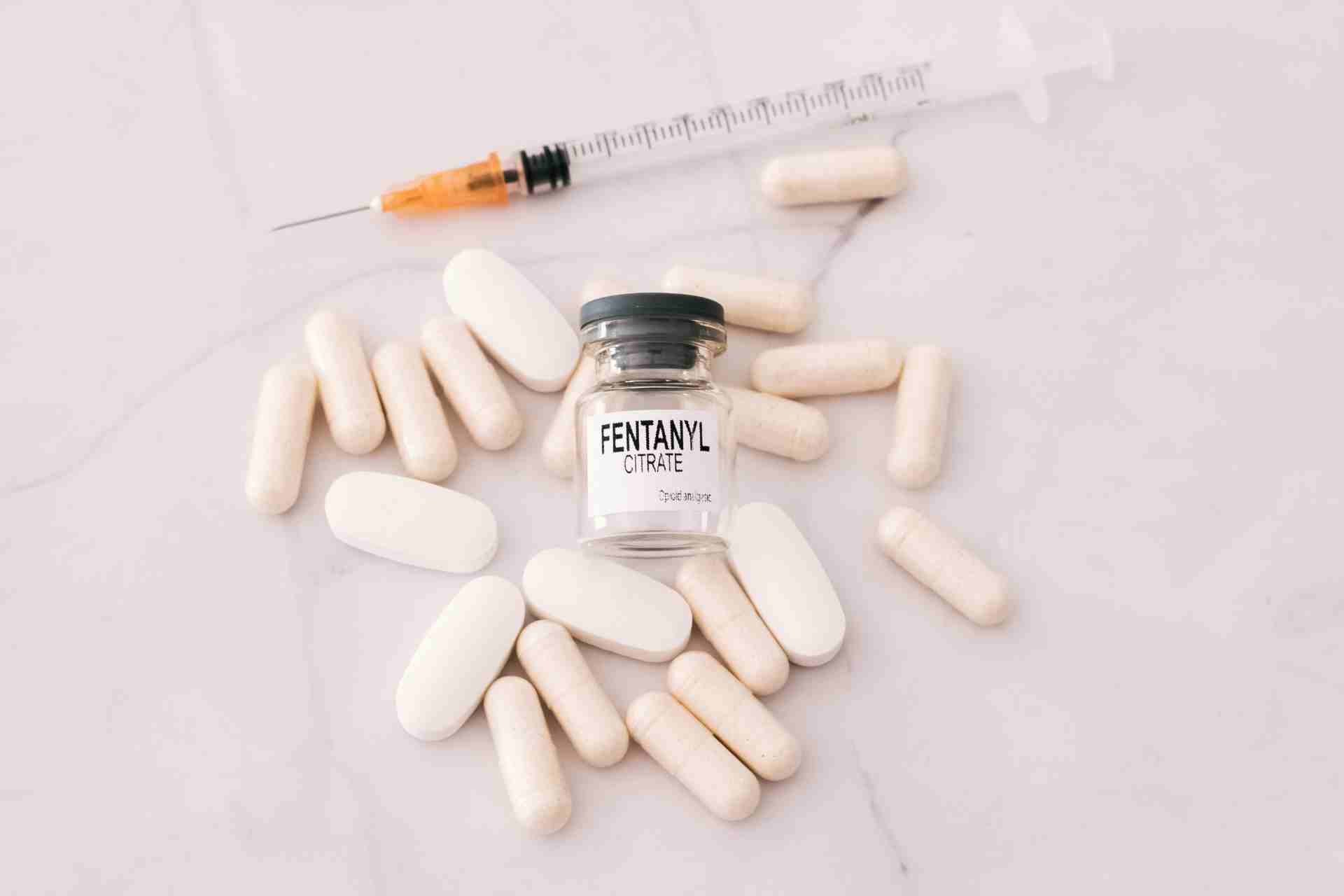
Fentanyl addiction often changes both physical health and behavior. Recognizing these symptoms can help you identify a problem before it becomes more dangerous.
Physical Symptoms
- Pinpoint pupils
- Drowsiness or frequently nodding off
- Slow or shallow breathing
- Constipation
- Loss of appetite or unexplained weight loss
- Slurred speech
- Itchy or flushed skin
- Poor coordination
Behavioral and Emotional Symptoms
- Using more fentanyl than intended
- Unsuccessful attempts to quit
- Withdrawing from family and friends
- Neglecting work, school, or home responsibilities
- Secrecy about drug use or whereabouts
- Financial problems related to obtaining drugs
- Mood swings or irritability
- Continuing to use despite health or relationship problems
When Should Families Be Concerned?
One symptom alone does not necessarily mean that someone is using fentanyl. However, several changes occurring together—particularly slowed breathing, unusual drowsiness, secretive behavior, withdrawal from responsibilities, or unexplained drug paraphernalia—may indicate that professional help is needed.
Families should focus on observable changes rather than attempting to diagnose the person themselves. A medical or behavioral health professional can assess the symptoms, substance use history, and immediate level of risk.
What Are the Risks of Fentanyl Use?
The most immediate danger associated with fentanyl is respiratory depression. Fentanyl can slow breathing enough to cause unconsciousness, brain injury, or a fatal overdose, especially when someone does not know that fentanyl is present in another substance.
Additional risks may include:
- Rapidly increasing tolerance and physical dependence
- Severe withdrawal symptoms
- Accidental exposure through counterfeit pills
- Combining fentanyl with alcohol or other drugs
- Injury or accidents caused by sedation
- Worsening mental health or relationship problems
- Repeated overdose risk following a previous overdose
The strength and contents of illicit substances are unpredictable, which means a person cannot reliably determine how much fentanyl they are taking.
Fentanyl in Counterfeit Pills and Other Drugs
One of the greatest dangers is that fentanyl is often pressed into counterfeit prescription pills or mixed into heroin, cocaine, methamphetamines, and other substances. Someone may unknowingly consume fentanyl even if they never intended to use an opioid.
Counterfeit pills may be designed to resemble legitimate prescription medications, making them difficult to identify by appearance alone. This creates a serious risk for people who believe they are taking a familiar medication but are instead exposed to an unknown amount of fentanyl.
Signs of Fentanyl Withdrawal
Withdrawal symptoms may appear when someone who has developed physical dependence reduces or stops fentanyl use. Although withdrawal is generally different from an overdose, the symptoms can be extremely uncomfortable and may contribute to continued use or relapse.
Possible withdrawal symptoms include:
- Muscle aches and chills
- Sweating and runny nose
- Nausea, vomiting, or diarrhea
- Anxiety or irritability
- Difficulty sleeping
- Intense drug cravings
Medical support may help manage withdrawal symptoms and determine whether additional treatment is appropriate.
Recognizing a Fentanyl Overdose
A fentanyl overdose is a medical emergency. Do not wait for every symptom to appear before seeking emergency assistance. Possible signs include:
- Slow, shallow, or stopped breathing
- Blue/gray lips or fingertips
- Pinpoint pupils
- Limp body or inability to wake up
- Choking or gurgling sounds
- Cold, clammy skin
If you think someone is overdosing, call 911 immediately and administer naloxone if available. Because fentanyl is so potent, more than one dose of naloxone may be needed. Stay with the person until emergency responders arrive, even if they begin to wake up.
When to Seek Treatment for Fentanyl Addiction
Professional treatment may be appropriate when fentanyl use has become difficult to control, causes withdrawal symptoms, interferes with responsibilities, or continues despite health and relationship problems.
Treatment may include medical support, medication-assisted treatment, behavioral therapy, relapse-prevention planning, and structured outpatient care. The appropriate level of support depends on the person’s symptoms, substance use history, mental health needs, and risk of relapse.
Blue Star Recovery provides fentanyl addiction treatment in New Jersey through programs designed to support both substance use and co-occurring mental health concerns.
How an IOP or PHP Can Help
Because fentanyl addiction carries a high risk of relapse, continued support is essential. A partial hospitalization program (PHP) or intensive outpatient program (IOP) provides structured therapy several days each week while allowing them to continue living at home or in supportive housing. These programs focus on relapse prevention, coping skills, mental health, and long-term recovery.
What to Do If You Recognize the Signs
If you recognize possible signs of fentanyl addiction, begin by addressing immediate safety concerns. Suspected overdoses require emergency assistance. When there is no immediate emergency, a treatment professional can help evaluate the symptoms and explain the available levels of care.
When speaking with someone you care about, focus on specific changes you have observed, express concern without judgment, and encourage them to speak with a qualified professional.
Frequently Asked Questions
How do I know if a pill contains fentanyl?
You can’t identify fentanyl by sight, smell, or taste. Fentanyl test strips can detect its presence, but the safest approach is to avoid taking pills obtained outside of a licensed pharmacy.
How is fentanyl different from other opioids?
Fentanyl is much stronger than opioids like oxycodone or heroin. Because it’s so potent, the drug carries a higher risk of overdose and addiction can develop faster.
Can people recover from fentanyl addiction?
Yes. With medical detox, medication-assisted treatment, therapy, and ongoing support, many people successfully recover from fentanyl addiction.
Get Help for Fentanyl Addiction in New Jersey
Blue Star Recovery provides comprehensive addiction treatment for fentanyl addiction, including medical detox referrals, medication-assisted treatment, partial hospitalization, and intensive outpatient care.
Whether you’re seeking help for yourself or someone you love, our team is here to guide you toward the right level of care. Contact us today to begin your recovery journey.
Sources:
- Fentanyl Facts — Centers for Disease Control and Prevention (CDC)
- Fentanyl — National Institute on Drug Abuse
- Facts About Fentanyl — Drug Enforcement Agency (DEA)

Recover With Blue Star Recovery
Discover Our Treatment Programs
Partial Hospitalization Program Intensive Outpatient Program Outpatient Program Adolescent IOP Adolescent Outpatient