
- ABOUT
- TREATMENTS
- PROGRAMS
- THERAPY
- Resources
- Blog
Providers often prescribe benzodiazepines (benzos), including medications like Xanax, Klonopin, Ativan, and Valium, for anxiety, panic, insomnia, seizures, or severe stress.
These medications can help in the short term, but long-term use can lead to tolerance, physical dependence, and withdrawal symptoms when someone stops or reduces use. Substance use disorder treatment is often the wisest next step.
For many people, this can feel confusing. A medication that once helped them sleep, calm down, or function may slowly become something their body feels dependent on and unsafe without.
What Happens With Long-Term Benzodiazepine Use?
With long-term benzodiazepine use, the brain and body can adapt to needing the medication’s calming effect in order to function normally. Over time, the same dose may feel less effective, and the body may begin to rely on the medication to feel steady.
Benzodiazepines slow activity in the central nervous system. When the body gets used to that effect, suddenly reducing or stopping the medication can make the nervous system rebound in the opposite direction. That rebound can feel like feeling wired and unsafe inside your own body.
How Does Dependence Develop?
Dependence develops when the body adjusts to having benzodiazepines present, even if the medication is taken as prescribed.
Dependence does not always mean addiction. Understanding the difference between benzodiazepine addiction and dependence can help clarify when physical reliance has progressed into patterns such as losing control over use, continuing despite harm, taking more than prescribed, mixing substances, or using someone else’s medication.
What Is Tolerance and Why Does It Matter?
Tolerance means the body needs more of a substance to feel the same effect. Someone may notice the dose that once helped with sleep or anxiety no longer works as well.
Tolerance can quietly change the relationship with the medication. A person may begin taking extra doses, worrying about running out, or feeling anxious between doses. What started as relief can become a cycle of needing the medication just to feel normal.
Why Is Benzodiazepine Withdrawal Risky?
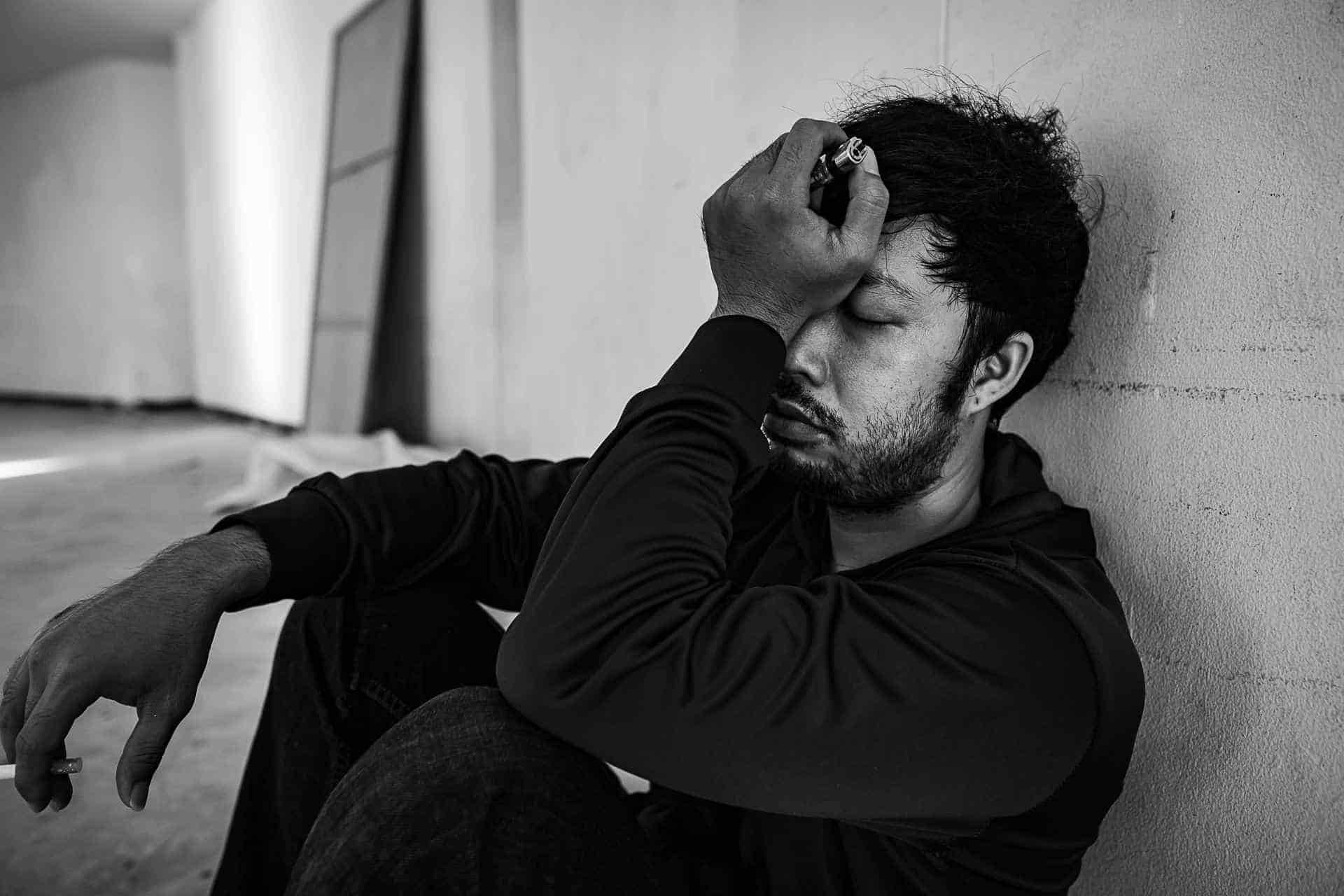
Benzodiazepine withdrawal can become medically serious, and people should not abruptly stop taking benzos without supervision. Treatment for benzodiazepines can help someone stop, safely. The FDA warns that stopping suddenly, or reducing them too quickly, can cause severe withdrawal reactions including life-threatening seizures.
Rebound Anxiety and Panic Symptoms
Rebound anxiety happens when the symptoms benzodiazepines were treating return more intensely after someone reduces or stops the medication. A person may feel panic, racing thoughts, fear, restlessness, or a sense that something is wrong even when they are physically safe.
Sleep Disruption and Physical Symptoms
Withdrawal can also disrupt sleep. A person may experience insomnia, agitation, a racing heart, or tremors that keep them from falling asleep. Physical reactions such as sweating, nausea, muscle tension, headaches, and sensitivity to light or sound can make frequent waking an issue.
These symptoms can make someone feel like they cannot get through the day without taking another dose.
Seizure Risk and Medical Safety Concerns
Seizure risk creates one of the most serious concerns with benzodiazepine withdrawal. Risk may rise when someone has used higher doses, taken benzos for a long time, mixed them with other substances, or stopped suddenly.
Medical guidance matters because withdrawal symptoms can change quickly.
What Does Emotional Dependence on Benzodiazepines Look Like?
Emotional dependence can happen when someone begins to believe they cannot manage life without benzodiazepines. The medication may become tied to mood regulation, social situations, work stress, panic, conflict, or basic daily functioning in a way that feels impossible to stop.
Using Benzos to Manage Stress or Daily Functioning
Someone may reach for benzodiazepines before a meeting, after an argument, before bed, or anytime anxiety starts rising. The medication may feel like the only resource for immediate stress relief.
Fear of Stopping or Missing Doses
A person may feel fear around missed doses, delayed refills, travel, appointments, or running out early. From the outside the fear may not be obvious, but to the person experiencing it, it may feel like panic, obsession, or excessive worry.
Increased Anxiety Between Doses
Anxiety between doses can signal that the body has started to depend on the medication. Someone may feel shaky, tense, irritable, panicked, or unable to settle until the next dose.
How Can Long-Term Benzodiazepine Use Affect Your Mental Health?
The mental changes may become more noticeable when tolerance builds or withdrawal symptoms begin showing up between doses.
Long-term benzodiazepine use may contribute to:
- Increased anxiety between doses: Benzos may calm anxiety quickly, but the nervous system can become less steady without them over time.
- Mood instability: Some people feel caught between relief, fear, irritability, emotional flatness, or low mood.
- Brain fog: Long-term use may make it harder to think clearly, stay focused, or feel mentally sharp.
- Memory problems: Some people notice forgetfulness, gaps in memory, or trouble keeping track of daily tasks.
- Poor concentration: Work, school, parenting, and responsibilities may feel harder to manage.
- Sleep disruption: Benzos may help someone fall asleep, but dependence can make natural sleep feel harder without the medication.
- Fatigue: Tiredness may build when sleep depends on dose timing, withdrawal symptoms, or anxiety about not sleeping.
- Lower emotional regulation: The body may rely on the medication to settle, making stress feel harder to manage without it.
What Does Safe Benzodiazepine Discontinuation Look Like?
Safe benzodiazepine discontinuation usually means working with a medical provider to taper slowly. People who have taken benzos as prescribed for a long time still need guidance when they want to reduce or stop use.
A taper gives the nervous system time to adjust. A medical provider can set the pace based on the medication, dose, length of use, symptoms, health history, and whether other substances are involved.
No one should stop benzodiazepines suddenly without guidance from their healthcare provider.
What Treatment Options Support Benzodiazepine Recovery?
Benzodiazepine recovery can look different depending on how benzos became part of someone’s life. Some people are physically dependent after taking a prescription as directed. Others may be taking more than prescribed, running out early, or feeling unable to function without them.
There may also be added risk when benzos are used with other substances.
Care for someone who has taken benzodiazepines as prescribed often requires a slow and supervised taper, therapy, and psychiatric support to safely stop.
When is Medical Detox and Stabilization Support Needed?
When benzos are used other than as directed then medical detox for benzodiazepine misuse, high-dose use, polysubstance use, or severe withdrawal risk can become necessary for safety. Blue Star Recovery Center can arrange detox through a trusted partner program when someone needs that level of care.
Options for Treatment of Benzodiazepine Use
Care options may include:
- Residential treatment
Some people may benefit from residential treatment after detox or stabilization. Residential care gives people 24-hour structure, distance from triggers, and time to focus fully on early recovery. - Partial hospitalization program (PHP)
PHP offers structured daytime treatment while allowing clients to return home or to supportive housing afterward. Blue Star’s PHP can help people continue addiction treatment, therapy, medication support when appropriate, and care for co-occurring mental health symptoms. - Intensive outpatient program (IOP)
IOP provides structured treatment with more flexibility than PHP. It may help people who need ongoing therapy, accountability, relapse prevention, and recovery support while returning to work, school, family, or daily responsibilities. - Relapse prevention
Relapse prevention helps people understand triggers, cravings, high-risk situations, and the patterns that pull them back toward substance use. It gives someone a plan for what to do before a difficult moment becomes a return to use. - Mental health support
Some people also need treatment for anxiety, panic, trauma, or sleep concerns. The right plan should meet the person honestly where they are, without minimizing the danger or shaming how the pattern started.
Support for Benzo Dependence at Blue Star Recovery Center
Long-term benzo use can leave someone caught between needing relief and fearing what happens without the medication. That fear deserves to be taken seriously.
Blue Star Recovery Center offers benzodiazepine addiction treatment in New Jersey through outpatient care, PHP, IOP, therapy, medication support when appropriate, and relapse prevention. Blue Star can also help clients connect with detox services when that level of support is needed.
If benzodiazepine use is affecting your daily life, mental health, or sense of control, contact Blue Star Recovery Center to talk through what kind of care may fit where you are now.
Sources:
- Joint Clinical Practice Guideline on Benzodiazepine Tapering – American Society of Addiction Medicine
- Benzodiazepine Use Disorder: Common Questions and Answers – American Family Physician
- FDA Requiring Boxed Warning Updated to Improve Safe Use of Benzodiazepine Drug Class – U.S. Food & Drug Administration

Recover With Blue Star Recovery
Discover Our Treatment Programs
Partial Hospitalization Program Intensive Outpatient Program Outpatient Program Adolescent IOP Adolescent Outpatient