
- ABOUT
- TREATMENTS
- PROGRAMS
- THERAPY
- Resources
- Blog
Alcohol addiction, also called alcohol use disorder (AUD), is a medical condition that makes it difficult to control drinking, even when facing negative consequences.
Common signs include drinking more than intended, cravings, developing a higher tolerance, neglecting responsibilities, and continuing to drink even when alcohol is affecting your life.
At Blue Star Recovery, a New Jersey addiction treatment center, we understand that recognizing these signs can feel overwhelming.
Recognizing the signs early can make it easier to seek help before alcohol begins affecting your health, relationships, emotional well-being, or overall quality of life.
Physical Signs of Alcohol Addiction
Over time, regular alcohol use can affect the body in noticeable ways.
Common physical signs of alcohol addiction may include:
- Needing to drink more to feel the same effects (increased tolerance)
- Experiencing withdrawal symptoms when not drinking
- Frequent headaches or nausea
- Changes in sleep patterns
- Unexplained weight changes
- Tremors or shaking
- Fatigue or low energy
Not everyone experiences the same signs. Their severity can vary depending on how long someone has been drinking, how much they typically consume, and their overall health.
Behavioral Signs of Alcohol Addiction
Alcohol addiction often changes everyday behaviors long before someone realizes there is a problem.
Some common behavioral signs of AUD include:
- Drinking more often than planned
- Difficulty cutting back or stopping
- Spending significant time drinking or recovering from drinking
- Neglecting work, school, or family responsibilities
- Continuing to drink despite legal, financial, or relationship problems
- Drinking in risky situations, such as before driving
- Losing interest in hobbies or activities once enjoyed
As alcohol use increases, these behaviors can become more frequent and disruptive.
Emotional and Mental Health Changes Linked to Alcohol Addiction
Alcohol addiction can also affect mood, thinking, and emotional well-being.
Some people notice:
- Increased anxiety
- Depression or persistent sadness
- Irritability
- Mood swings
- Difficulty concentrating
- Memory problems
- Feeling unable to relax without alcohol
For individuals living with anxiety, depression, trauma, or other mental health conditions, alcohol may seem to provide temporary relief, but it often makes those symptoms worse over time.
This can create a cycle in which someone drinks to feel better, only to experience worsening emotional distress once the effects wear off.
When Does Heavy Drinking Become Alcohol Addiction?
Not everyone who drinks heavily has an alcohol addiction. The difference often comes down to control.
Some signs that heavy drinking may have progressed to alcohol addiction include:
- Drinking has become difficult to manage
- You continue to drink alcohol despite negative consequences
- Drinking feels necessary to get through the day
- You no longer drink just to be social
A professional assessment can help determine whether someone meets the criteria for alcohol use disorder and what type of support may be most appropriate.
Can You Have Alcohol Addiction Without Drinking Every Day?
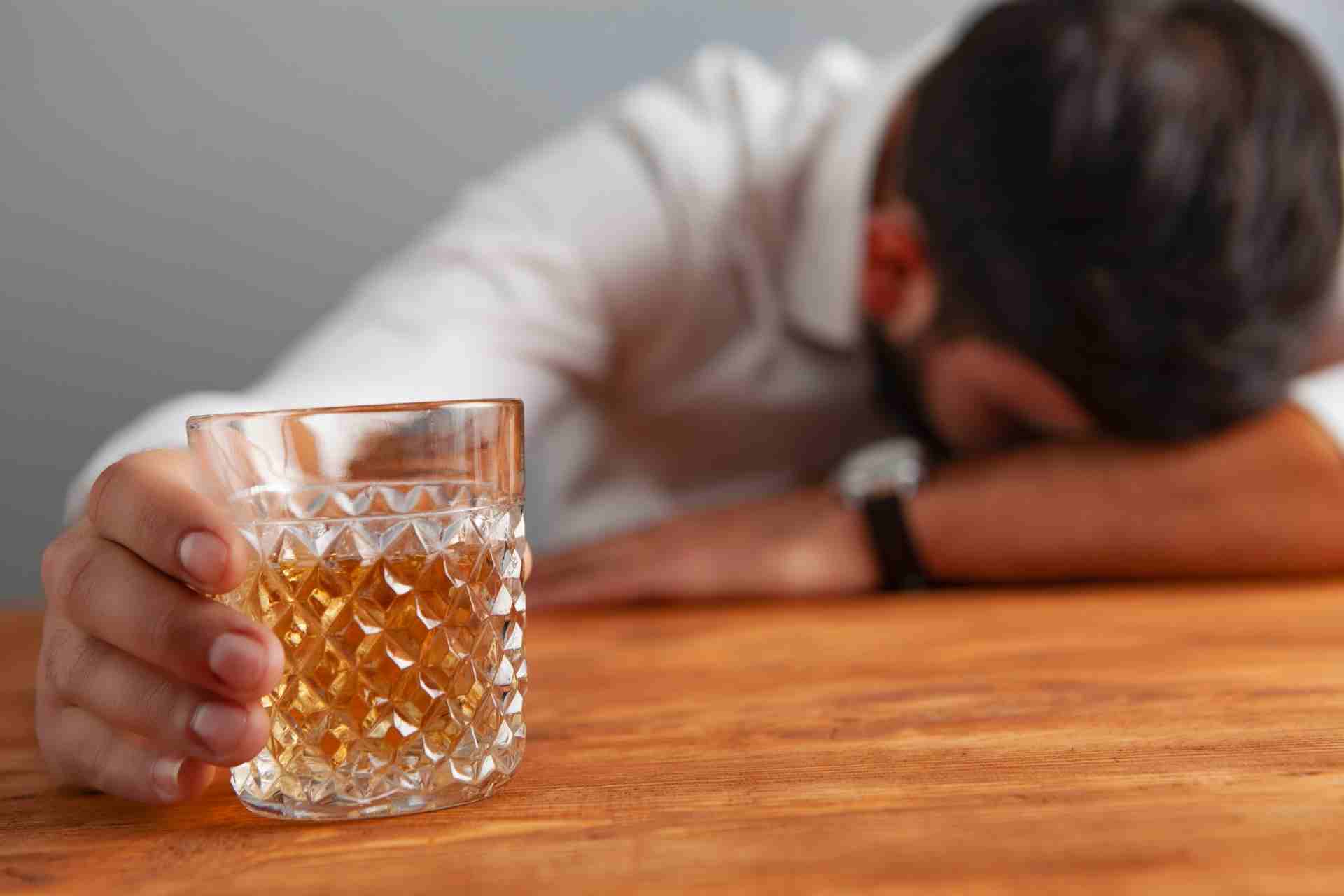
Yes. One of the most common misconceptions about alcohol addiction is that someone must drink every day to have a problem.
In reality, alcohol use disorder is defined by the impact alcohol has on a person’s life and their ability to control their drinking, not simply how often they drink.
Some people drink only on weekends or in certain social situations but still find it difficult to stop once they start, regularly drink more than intended, or experience serious consequences because of alcohol use.
If alcohol is affecting your health, relationships, work, finances, or overall well-being, it may be worth speaking with a healthcare professional, even if you do not drink every day.
How Recognizing the Signs of Alcohol Addiction Early Can Help
Many people wait until alcohol has caused significant problems before seeking help.
Recognizing the signs early can make it possible to address alcohol use before it affects physical health, relationships, employment, or overall quality of life.
Seeking support early may also reduce the risk of long-term health complications while giving individuals the opportunity to strengthen relationships, improve emotional well-being, and regain a greater sense of control over their lives.
Treatment can also address underlying concerns such as stress, trauma, anxiety, or depression that may be contributing to alcohol use.
What Should You Do If You Recognize These Signs?
If you believe alcohol may be affecting your life, consider speaking with your primary care provider, a mental health professional, or an addiction treatment specialist.
A professional assessment can help determine whether you have alcohol use disorder and what type of support may be most appropriate.
Treatment for alcohol addiction looks different for everyone. Some people benefit from outpatient counseling, while others may need a higher level of care depending on the severity of their symptoms and whether they are experiencing physical dependence on alcohol.
The most important thing is knowing that effective treatment is available and recovery is possible.
Taking the Next Step in Alcohol Addiction Recovery
If you recognize several of these signs in yourself or someone you care about, know that help is available.
Alcohol addiction is a treatable medical condition, and recovery is possible with the right support. Speaking with a treatment professional can help you understand your options and determine the next best step.
Contact Blue Star Recovery to learn more about alcohol addiction treatment and available recovery programs.
Sources
- Alcohol Use Disorder — Cleveland Clinic
- Alcohol Use Disorder — Medline Plus

Recover With Blue Star Recovery
Discover Our Treatment Programs
Partial Hospitalization Program Intensive Outpatient Program Outpatient Program Adolescent IOP Adolescent Outpatient